

Hidden beneath the vibrant streets of Sultanahmet lies one of Istanbul’s most atmospheric and awe-inspiring landmarks: the Basilica Cistern. Known in Turkish as Yerebatan Sarnıcı, this vast underground reservoir is not merely an architectural feat. It is a silent witness to the ingenuity of the Byzantine Empire and one of the most unforgettable places to experience the soul of the city.
For guests staying in the historic heart of Istanbul, visiting the Basilica Cistern is more than sightseeing; it is a descent into the layered history that defines this city.
A Monument Born of Necessity: Why the Basilica Cistern Was Built
The Basilica Cistern was constructed in 532 AD during the reign of Emperor Justinian I, at a time when Constantinople was the capital of the Byzantine Empire. The city’s growing population and frequent sieges made a reliable water supply essential.
Rather than relying solely on surface reservoirs, the Byzantines engineered an advanced water system that transported water from the Belgrade Forest through aqueducts into massive underground cisterns. The Basilica Cistern was the largest of these and was built beneath what was once the Stoa Basilica, a public square and commercial area—hence its name.
Its purpose was clear and vital:
- To supply water to the Great Palace of Constantinople
- To serve nearby public buildings and fountains
- To ensure water security during droughts or invasions
Architecture Beneath the City
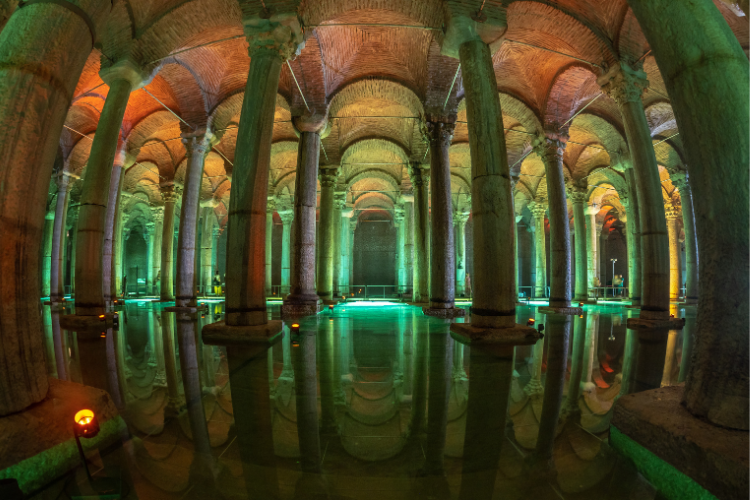
Stepping into the Basilica Cistern feels like entering a subterranean cathedral. The structure measures approximately 138 meters long and 65 meters wide, capable of holding nearly 80,000 cubic meters of water.
Columns and Design
- The cistern is supported by 336 marble columns, each about 9 meters high
- Columns are arranged in 12 rows of 28, creating a mesmerizing sense of symmetry
- Many columns were reused from earlier Roman structures, showcasing the Byzantine practice of spolia
Soft lighting reflects on the shallow water below, creating mirror-like reflections that amplify the mysterious ambiance.
The Medusa Heads: Symbols, Mystery, and Interpretation
Among the most famous features of the Basilica Cistern are the two Medusa head sculptures, used as column bases in the northwest corner. One is positioned sideways, the other upside down.
While no definitive explanation exists, historians suggest several interpretations:
- Practical reuse of ancient Roman sculptures
- A symbolic gesture to neutralize Medusa’s mythical power
- A reflection of Byzantine pragmatism rather than mythological intent
Whatever the reason, the Medusa heads have become one of the most photographed and discussed elements of the cistern, adding to its legendary aura.
From Byzantine Reservoir to Forgotten Space
After the Ottoman conquest of Constantinople in 1453, the cistern continued to supply water to the Topkapi Palace for a period. Over time, however, it fell into obscurity.
By the 16th century, locals living above the cistern reportedly drew water by lowering buckets through holes in their floors—often catching fish along with the water—without fully realizing the scale of the structure beneath them.
It wasn’t until 1545, when the French scholar Petrus Gyllius rediscovered and documented the cistern, that it re-entered historical awareness.
Restoration and Cultural Revival
In modern times, the Basilica Cistern has undergone several restorations, the most significant completed in the early 2020s. These efforts focused on:
- Structural reinforcement
- Earthquake resistance
- Preservation of original materials
- Enhanced visitor experience through lighting and walkways
Today, the cistern functions not only as a historical site but also as a cultural venue, hosting art installations and exhibitions that respectfully interact with its ancient atmosphere.
Visiting the Basilica Cistern Today
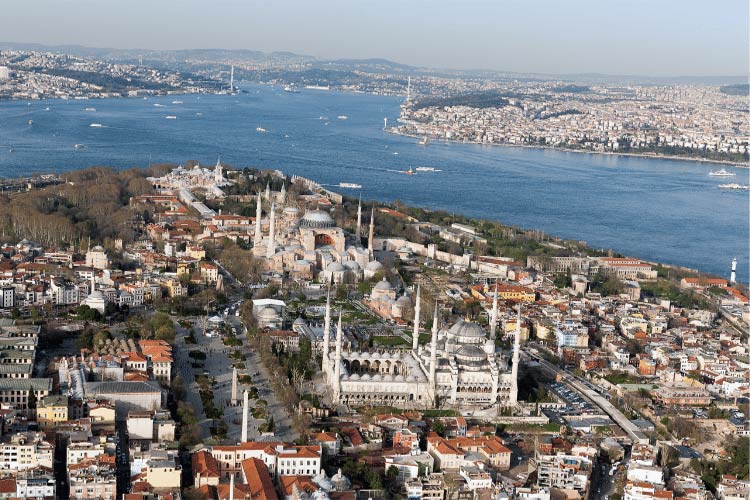
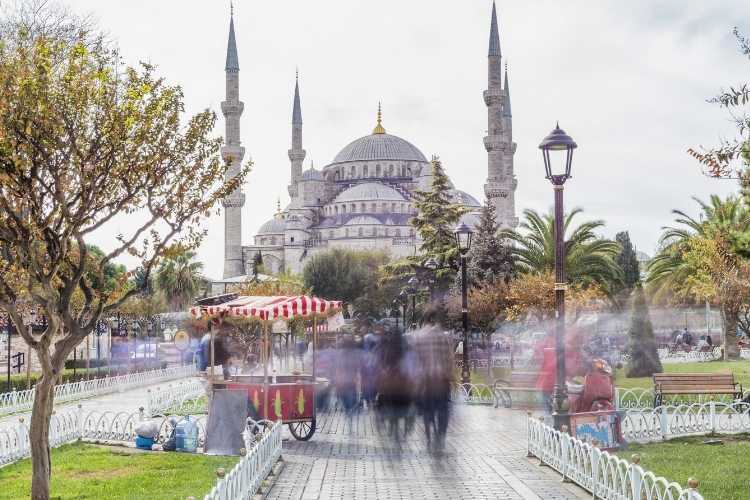
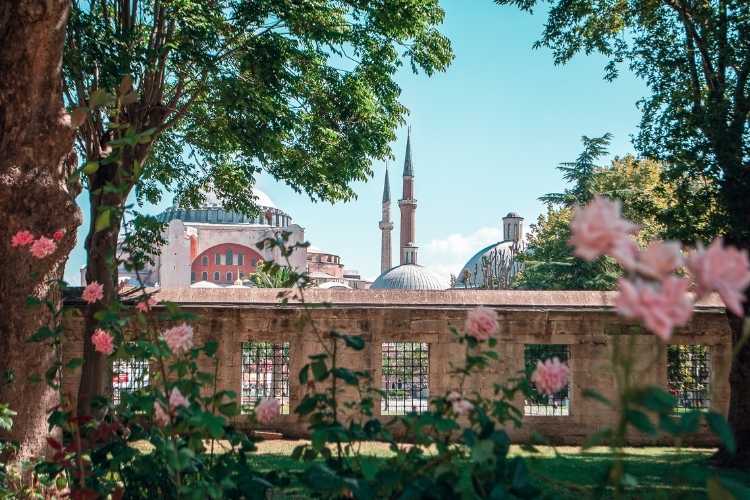
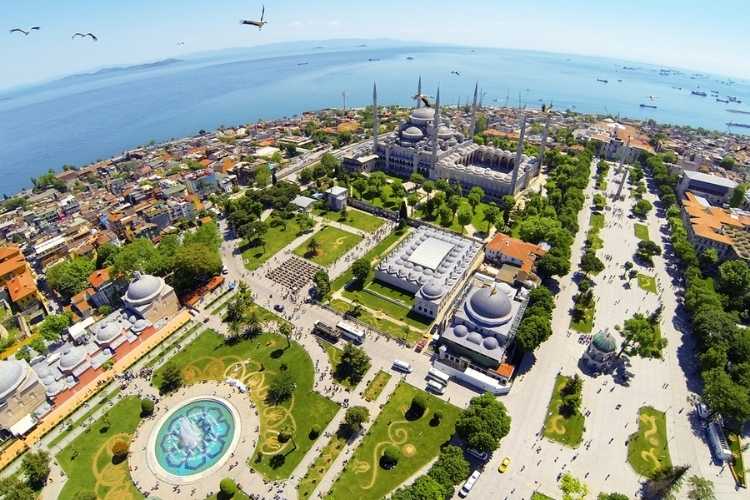
The Basilica Cistern is located in Sultanahmet, just steps away from Hagia Sophia and the Blue Mosque.
Practical Visit Information
- Location: Old City of Istanbul
- Opening Days: Open daily
- Visiting Hours: Extended hours during peak seasons
- Tickets: Purchased on-site or online
- Accessibility: Elevated walkways allow safe and comfortable exploration
For the most accurate and current details, official visitor information should always be checked before arrival.
When Is the Best Time to Visit?
- Early morning: Quiet, contemplative, ideal for photography
- Late evening: Dramatic lighting and a more immersive atmosphere
- Weekdays: Generally less crowded than weekends
The cistern maintains a cool temperature year-round, making it especially pleasant during Istanbul’s hot summer months.
Experiencing the Basilica Cistern from Blu Ma’Cel Hotel
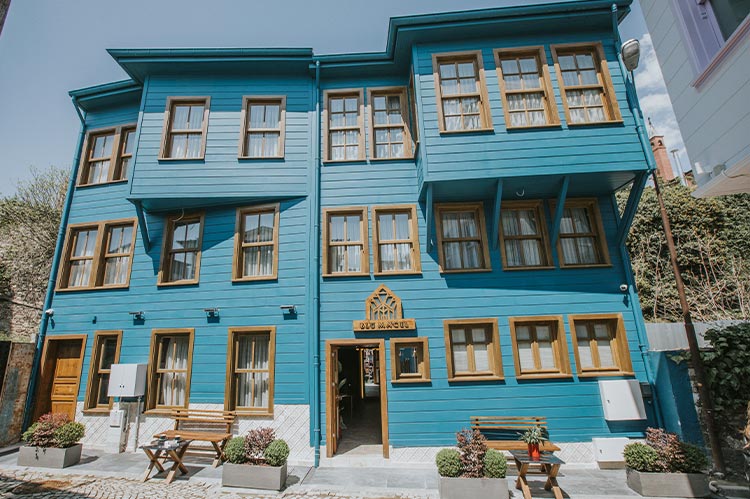
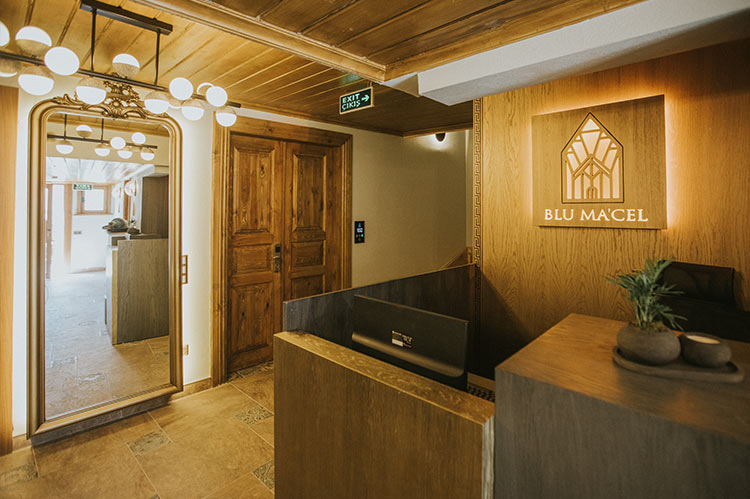
One of the greatest advantages of staying at Blu Ma’Cel Hotel is proximity. Located within walking distance of the Basilica Cistern, our guests can easily visit during quieter hours—early in the morning or just before closing—when the atmosphere is at its most magical.
After exploring the hushed corridors beneath the city, returning to the comfort of Blu Ma’Cel Hotel feels like continuing the story above ground. Our boutique setting, maritime-inspired design, and calm ambiance offer a thoughtful contrast to the monumental history just outside our doors.
For travelers who wish to truly feel Sultanahmet—not rush through it—Blu Ma’Cel Hotel provides the ideal base.
Why the Basilica Cistern Matters
The Basilica Cistern is not simply an ancient structure; it represents:
- Byzantine engineering brilliance
- Istanbul’s layered urban identity
- The continuity of life beneath changing civilizations
It reminds visitors that Istanbul’s history is not only written in domes and minarets—but also hidden below their feet.
A Journey Below, A Memory That Lasts
Descending into the Basilica Cistern is like stepping outside of time. The echo of footsteps, the glimmer of light on water, and the silent presence of centuries create an experience unlike any other in Istanbul.
When combined with a stay in Sultanahmet—especially at Blu Ma’Cel Hotel—this journey becomes more than a visit. It becomes a story you carry with you, long after you leave the Old City.