

Istanbul bazaars are among the most fascinating places to experience the city beyond its famous monuments. Walk into a historic bazaar in Istanbul and sightseeing quickly becomes something more sensory: the scent of spices and Turkish coffee, the shine of handcrafted jewelry, colorful ceramics, old bookshops, carpets hanging above narrow passages and conversations flowing between merchants and visitors.
The bazaar culture of Istanbul is much more than a shopping experience. These marketplaces are part of a commercial tradition shaped over centuries, and many remain closely connected to the historic neighborhoods that once formed the economic heart of Constantinople and Ottoman Istanbul. The Grand Bazaar may be the best-known example, but travelers who explore further can discover spice markets, smaller neighborhood bazaars, artisan streets and quieter shopping areas around Sultanahmet.
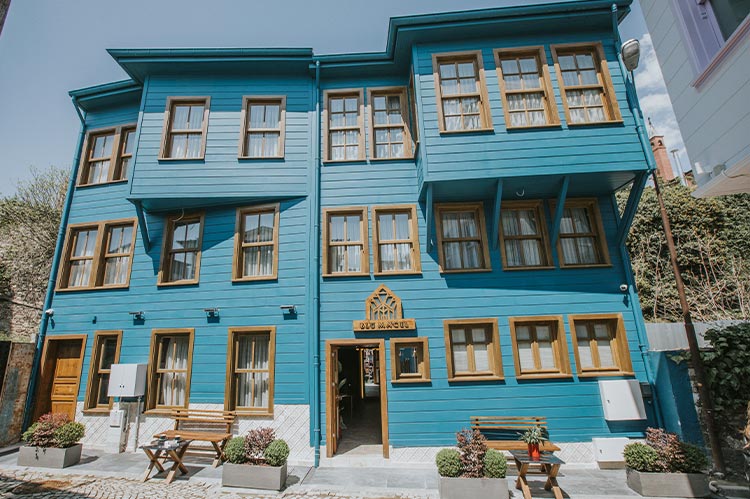
If you are staying at Blu Ma'Cel Hotel in Sultanahmet, many of these experiences can easily become part of your daily itinerary. The Historic Peninsula allows you to combine sightseeing, shopping, Turkish cuisine and centuries of history without constantly travelling from one end of Istanbul to another.
Why Are Istanbul's Bazaars So Famous?
Istanbul has been a trading city for centuries because of its extraordinary geographical position between Europe and Asia. Goods, merchants and ideas historically moved through the city from the Mediterranean, the Balkans, Anatolia, the Black Sea region and the Middle East. Markets naturally became important meeting points where this exchange took place.
This history helps explain why visiting a bazaar in Istanbul feels different from entering an ordinary shopping center. The architecture, streets and commercial traditions form part of the experience. Even travelers who have no intention of buying anything can enjoy wandering through passages, observing craftsmanship, stopping for tea and discovering details that reveal another side of Istanbul.
For visitors particularly interested in shopping, our guide to shopping tourism in Istanbul explores how the city's traditional markets coexist with its contemporary shopping culture.
Grand Bazaar: Istanbul's Essential Market Experience
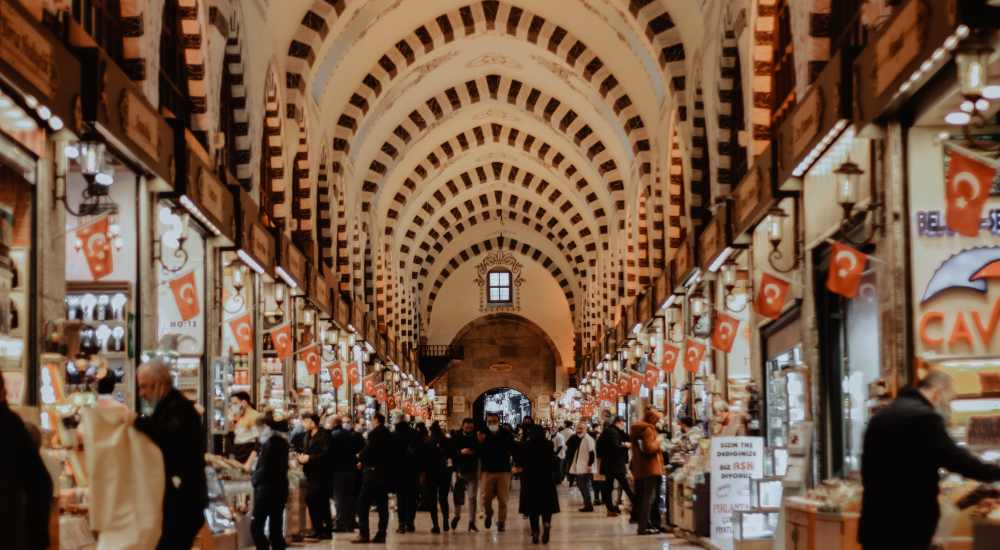
For most travelers, the natural starting point is the Grand Bazaar, known locally as Kapalıçarşı. Its network of covered passages forms one of Istanbul's most recognizable historical environments. Enter through one of its gates and the modern streets outside seem to disappear almost immediately.
The appeal of the Grand Bazaar is partly its enormous scale, but size alone does not explain its popularity. Different areas historically developed around particular trades, and traces of this commercial organization remain visible today. Jewelry, carpets, textiles, leather products, ceramics, antiques and decorative objects appear as you move between its streets and passages.
The best way to experience the bazaar is usually not to treat it like a shopping checklist. Allow yourself enough time to wander. Look at the architecture as well as the shop windows, step away from the busiest passages and explore quieter corners. Sitting down for Turkish tea or coffee can be as much a part of the experience as purchasing a souvenir.
The Grand Bazaar also rewards visitors who understand that shopping here involves communication. Conversations with merchants are part of the traditional market experience, especially when purchasing handmade objects, carpets, jewelry or other products whose materials and craftsmanship deserve explanation.
For a deeper look at its fascinating history and shopping culture, explore our complete guide to Istanbul's Grand Bazaar.
Spice Bazaar: Taste and Smell Istanbul
If the Grand Bazaar captivates the eyes, the Spice Bazaar engages almost every sense at once. Known as Mısır Çarşısı in Turkish, this historic market is particularly associated with spices, herbs, teas, nuts, dried fruits, Turkish delight and other edible products that make it especially attractive to travelers interested in Turkish food culture.
For many visitors, the first impression is the aroma. Open displays of spices sit beside colorful boxes of Turkish delight, dried fruits, teas and regional delicacies. Some shops offer tastings, turning the experience into an opportunity to discover unfamiliar flavors before deciding what to take home.
Turkish delight is naturally one of the classic souvenirs, but the bazaar becomes even more interesting when visitors look beyond the most recognizable products. Regional spices, dried peppers, herbal infusions, nuts and traditional sweets offer insight into ingredients commonly found in Turkish kitchens.
The surrounding Eminönü area is also worth exploring instead of leaving immediately after visiting the bazaar. Historic streets, small shops, food vendors and the nearby waterfront create one of the most energetic urban scenes in Istanbul. From here, visitors can walk toward Galata Bridge, take a ferry across the Bosphorus or continue exploring the Historic Peninsula.
Arasta Bazaar Near the Blue Mosque
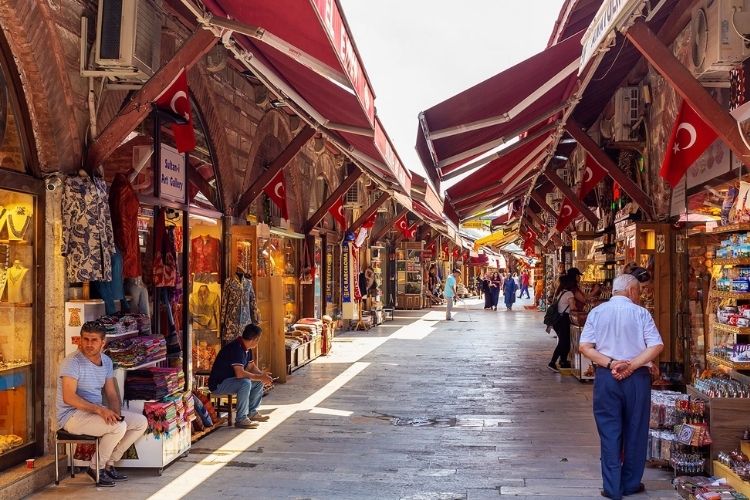
Not every bazaar experience in Istanbul needs to involve enormous crowds and endless covered streets. Travelers staying in Sultanahmet have another appealing choice just beside some of the district's most famous monuments: Arasta Bazaar.
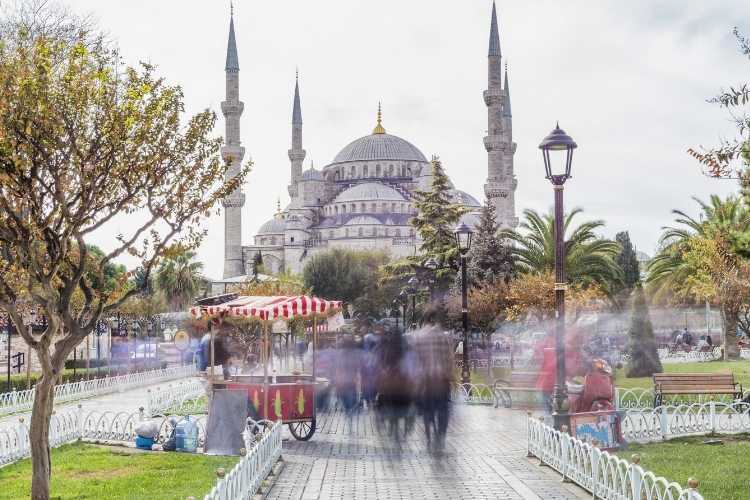
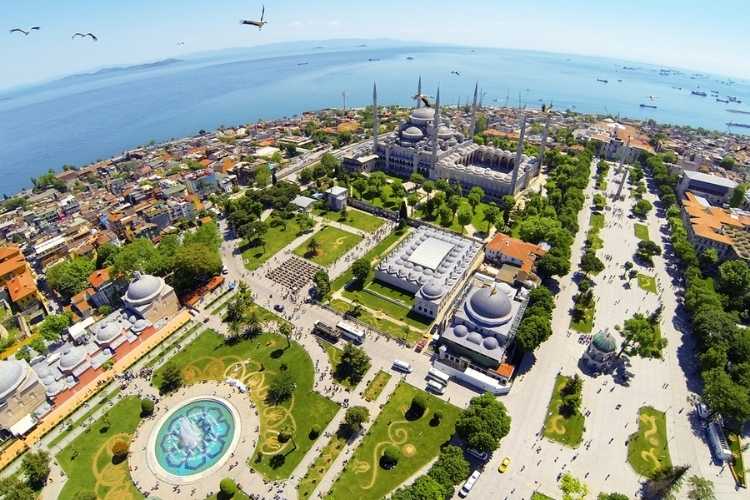
Located close to the Blue Mosque complex, Arasta Bazaar offers a considerably more compact experience than the Grand Bazaar. Its shops are arranged along a pleasant market street, making it easy to incorporate into a day spent exploring Sultanahmet.
Visitors can browse carpets, textiles, ceramics, decorative objects and traditional souvenirs while enjoying a more relaxed environment. It is particularly suitable for travelers who want to discover Turkish craftsmanship without dedicating several hours to a vast marketplace.
Arasta Bazaar is also a good example of why exploring Sultanahmet on foot is so rewarding. Some of the area's most memorable places lie just beyond the headline attractions. Our guide to hidden gems in Sultanahmet introduces several more places that can easily be combined with a bazaar visit.
Sahaflar Bazaar and Istanbul's Book Culture
Istanbul's bazaar tradition is not limited to carpets, jewelry, spices and souvenirs. Near the Grand Bazaar and Beyazıt is an area historically associated with booksellers, generally known as the Sahaflar or Second-Hand Booksellers' Bazaar.
For travelers interested in literature, old maps, prints, calligraphy or the intellectual history of Istanbul, this area provides a completely different type of market experience. It is much smaller than the city's famous covered bazaars, yet its atmosphere reflects another important aspect of Ottoman and Turkish urban culture.
Browsing old books can also provide a welcome change of pace after the energy of the Grand Bazaar. Visitors may come across publications, prints, reproductions and unexpected objects connected to Istanbul's cultural memory.
What Should You Buy in Istanbul?
One of the most common questions travelers ask is what is actually worth buying in an Istanbul bazaar. The answer depends on your interests, budget and luggage space, but products connected to Turkish craftsmanship generally make more meaningful souvenirs than generic items available in tourist destinations around the world.
Turkish ceramics are particularly popular because of their colors and patterns, many of which take inspiration from Ottoman decorative traditions. Bowls, plates, cups and tiles come in countless styles. Quality varies, so asking where an item was produced and whether it was handmade can help you understand exactly what you are purchasing.
Textiles are another major category. Peshtemals, scarves, fabrics and woven products are practical souvenirs and relatively easy to pack. Carpets and kilims represent a much deeper field of craftsmanship, so anyone considering a significant purchase should take time to learn about materials, weaving techniques and provenance rather than buying impulsively.
Jewelry also has an important place in the Grand Bazaar. Gold and silver pieces range from contemporary designs to styles inspired by Ottoman aesthetics. For valuable purchases, understanding the material, weight and workmanship is more important than simply negotiating the lowest possible price.
Spices, tea, Turkish coffee, nuts, dried fruits and Turkish delight are excellent alternatives for travelers who prefer edible souvenirs. They also provide an easy way to bring some of Istanbul's culinary culture home.
How Should You Shop at Bazaars?
Visitors sometimes arrive in Istanbul believing that every purchase requires aggressive bargaining. In reality, shopping in a traditional bazaar is better approached as a conversation. Prices, products and negotiation customs can vary significantly between different stores.
If you are genuinely interested in an item, ask questions before discussing the final price. Understanding the material, production method, origin or age of an object provides useful context and often leads to a much more interesting conversation with the merchant.
You should also never feel obligated to purchase something simply because a seller has spent time showing it to you. It is perfectly acceptable to thank them and continue exploring. Comparing similar products in several shops can also help you understand quality and pricing before making a larger purchase.
For expensive items, clarity is particularly important. Ask for documentation where relevant, understand exactly what is included in the price and confirm shipping arrangements when an item cannot easily travel with you.
How Long Do You Need?
If you only want a brief introduction to the Grand Bazaar, two or three hours can be enough. Travelers who genuinely enjoy shopping, historic architecture and street culture, however, can easily spend half a day exploring the bazaar and surrounding neighborhoods.
A more rewarding approach is to integrate the bazaars into a wider Historic Peninsula itinerary. You might explore Sultanahmet's monuments during the morning, continue toward the Grand Bazaar later in the day and allow enough time for Beyazıt and nearby streets rather than treating each attraction as an isolated stop.
If your trip to Istanbul is short, our 48-hour Sultanahmet itinerary explains how historical landmarks, local experiences and the Grand Bazaar can fit naturally into two days without turning your visit into a race between attractions.
Where to Stay Near Istanbul's Bazaars
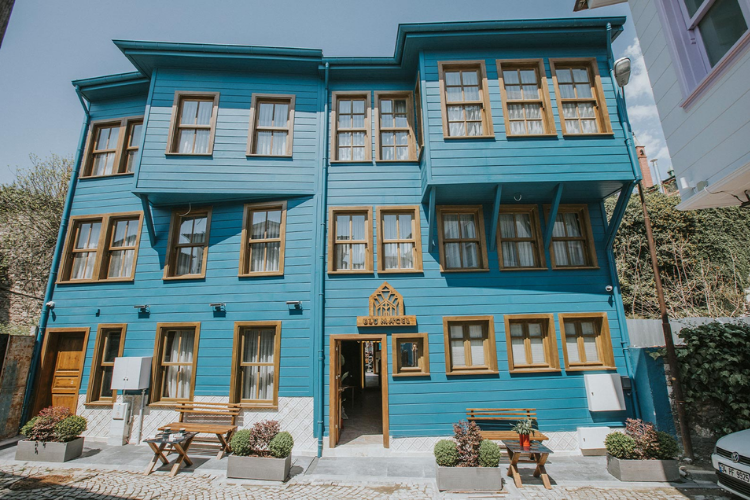
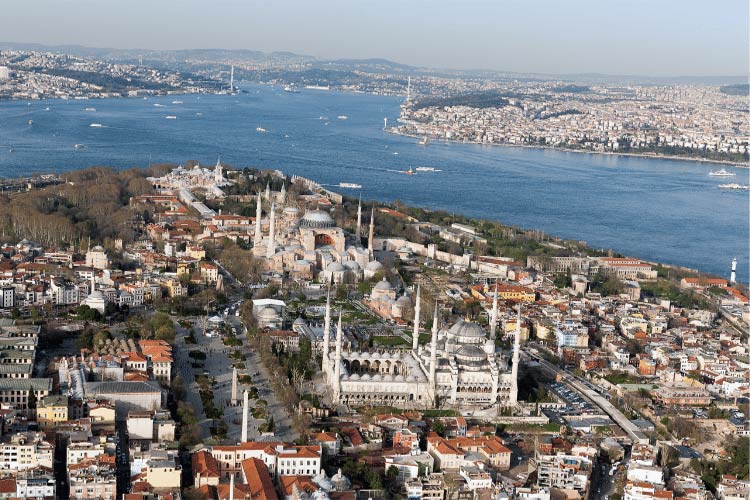
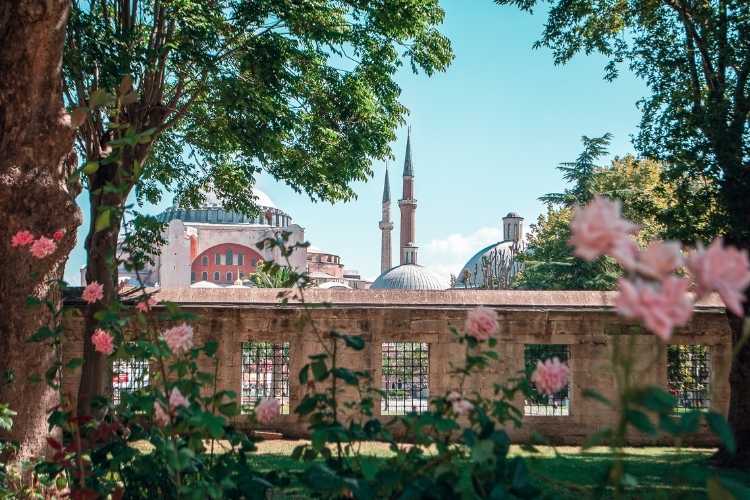
Location makes a noticeable difference when your itinerary focuses on Istanbul's Historic Peninsula. Staying in Sultanahmet means you can begin your morning close to Hagia Sophia, the Blue Mosque and Basilica Cistern before continuing toward Beyazıt and the Grand Bazaar without spending a significant part of the day travelling across the city.
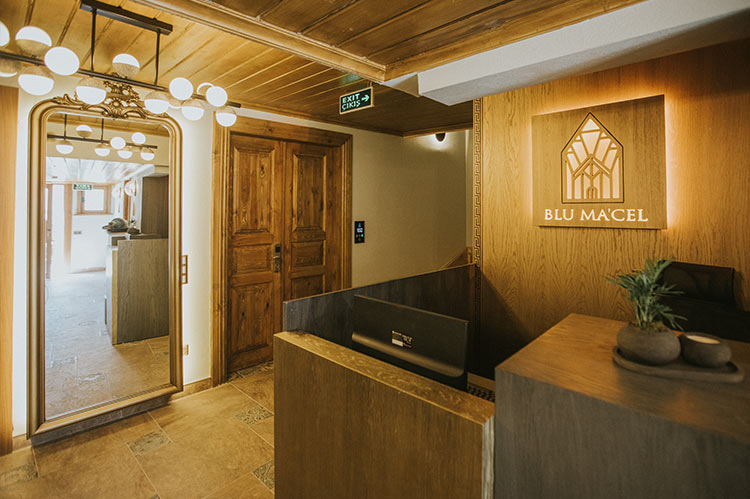
Blu Ma'Cel Hotel provides a comfortable boutique base in Sultanahmet for travelers who want to explore Istanbul this way. Being surrounded by the Old City's historic atmosphere makes it easier to experience the city gradually: sightseeing in the morning, a comfortable break when needed, bazaar shopping later in the day and an easy return to your room afterward.
This convenience becomes particularly valuable because exploring Istanbul generally involves plenty of walking. After spending hours among historic monuments, bazaars and lively streets, returning to a comfortable hotel in the same part of the city allows you to relax without unnecessary transfers.
Sultanahmet is also much more than a convenient accommodation area. After many daytime visitors leave, illuminated landmarks and quieter streets give the district a different atmosphere. Staying at Blu Ma'Cel Hotel means you can experience both sides of the Historic Peninsula: its energetic days and its peaceful evenings.
Frequently Asked Questions About Istanbul Bazaars
What is the most famous bazaar in Istanbul?
The Grand Bazaar, known as Kapalıçarşı in Turkish, is Istanbul's most famous historic bazaar. Its extensive network of covered streets includes shops specializing in jewelry, carpets, ceramics, textiles, leather products and many other goods.
Is the Grand Bazaar worth visiting without shopping?
Yes. The Grand Bazaar is an important historical and cultural attraction even for travelers who have no intention of buying anything. Its architecture, covered streets, traditional trades and lively atmosphere make wandering through the bazaar an experience in itself.
What is the difference between Grand Bazaar and Spice Bazaar?
The Grand Bazaar is considerably larger and offers products ranging from jewelry and carpets to textiles, ceramics and leather goods. The Spice Bazaar is more strongly associated with food-related products such as spices, teas, dried fruits, sweets and nuts. Visiting both provides two different perspectives on Istanbul's historic market culture.
Is Arasta Bazaar close to Sultanahmet?
Yes. Arasta Bazaar is located near the Blue Mosque and is easy to include in a Sultanahmet sightseeing itinerary. Its compact size makes it particularly convenient for visitors who want a relaxed shopping experience between major historical attractions.
Can you bargain in Istanbul bazaars?
Negotiation can be part of the shopping experience in traditional bazaars, particularly for certain products, but it is not a rigid rule. A polite conversation, informed questions and genuine interest usually create a better experience than aggressive bargaining.
What are the best souvenirs from Istanbul?
Popular choices include Turkish ceramics, textiles, tea, coffee, spices, Turkish delight, jewelry and handcrafted decorative objects. Visitors considering high-value products such as carpets, antiques or jewelry should take additional time to understand quality, materials and origin.
How long should I spend at Grand Bazaar?
Two or three hours provide a good introduction, while visitors who enjoy shopping and exploring can easily spend half a day there. Allowing extra time also makes it possible to discover quieter streets away from the busiest sections.
Where should I stay near the Grand Bazaar?
Sultanahmet is an excellent choice because it places visitors close to both the Grand Bazaar and many of Istanbul's major historical landmarks. Blu Ma'Cel Hotel offers boutique comfort in the heart of Sultanahmet, making it easy to combine bazaar shopping with Hagia Sophia, the Blue Mosque, Basilica Cistern and other Old City experiences.